
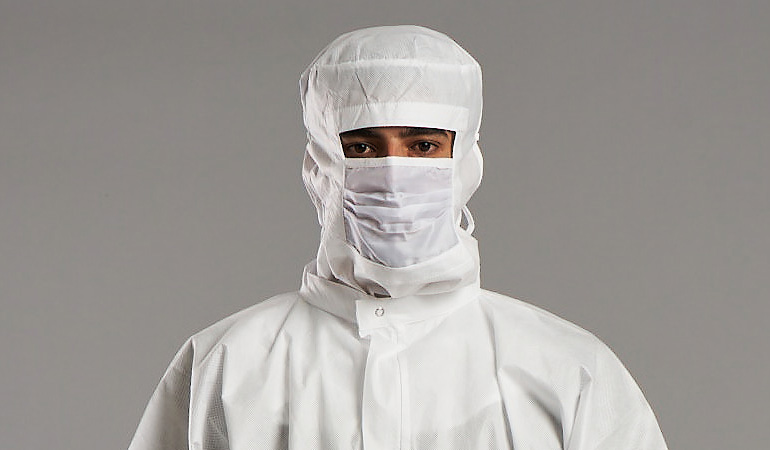
What protective garments you should use in a lab
What do you think about when you think about PPE? If your mind immediately jumps to the healthcare industry and doctors and nurses providing essential care in a timely manner, then you are on the right track. {PPE} is Personal Protective Equipment, including any type of clothing, equipment or product worn to prevent illness or injury to the body. PPE also prevents contamination of both products and people. We will specifically discuss three types that are required for multiple industries: laboratory, medical, and dental PPE.
First up, we have Laboratory Personal Protective Equipment (PPE). This type is required when conducting experiments with potentially hazardous chemicals, such as those used in laboratories. According to the Occupational Health and Safety Administration’s (OSHA) Laboratory Standard, it is required for employees to wear appropriate chemical protective clothing when working with or around hazardous chemicals. This type of PPE includes aprons, gloves that are resistant to chemical penetration, laboratory coats or jackets, and face shields or safety glasses. This PPE is mostly used in laboratories that use chemicals that are toxic, corrosive, flammable, infectious, radioactive, and/or carcinogenic. To ensure the best protection from these hazardous substances as well as to prevent contamination of products and people, it is important for employees to wear appropriate PPE while working.
The next type of PPE is Medical Personal Protective Equipment (PPE). This type is required when providing particular types of care, such as during dental or medical procedures, but it doesn’t just stop there. There are also additional pieces of PPE that may be necessary for specific places and environments, depending on the risk factors present. Any type of medical procedure comes with a certain degree of risk, and it is important for those providing care to take the necessary precautions. The other main reason why PPE is required in a dental or medical setting is to prevent contamination from patients that could have an infectious disease.
To begin, we will discuss standard PPE that must be worn when providing all types of care. These recommended PPE items include gloves, gowns or aprons, face shields, and protective eyewear. Other medical PPE that is required in a health care setting includes a respirator mask in the event that the patient has a respiratory infection or condition, such as tuberculosis or influenza; surgical masks during certain types of procedures; eye protection if the patient has an infectious disease, such as conjunctivitis; and protective footwear in the event that the provider is treating a patient whose feet are contaminated with blood or other body fluids.
Finally, we have Dental Personal Protective Equipment (PPE). This type is most commonly used during examinations or procedures, but it is also required for those providing support services as well as cleaning and disinfecting. Basic PPE items include gloves, a smock or lab coat, face shields, safety glasses, and protective footwear. Although they may be used less commonly in a dental setting, there are other additional pieces of PPE that may be required based on the situation. These additional PPE types include respirator masks, protective eyewear, and protective headwear.
In conclusion, there are different PPE items needed to ensure the safety of both products and people working in a lab or medical setting. This type of PPE prevents contamination from hazardous chemicals as well as from infected patients that could be a risk. In medical and dental settings, PPE is used to prevent the transmission of infectious diseases as well as contamination of products and people. This type of PPE varies depending on the situation, but it always includes gloves, face shields, and safety glasses/goggles. There are also additional pieces that may be required for specific procedures or products. The last main type of PPE is the one that must be worn for medical procedures or dental treatments, which includes a lab coat, face shields, and protective eyewear.